
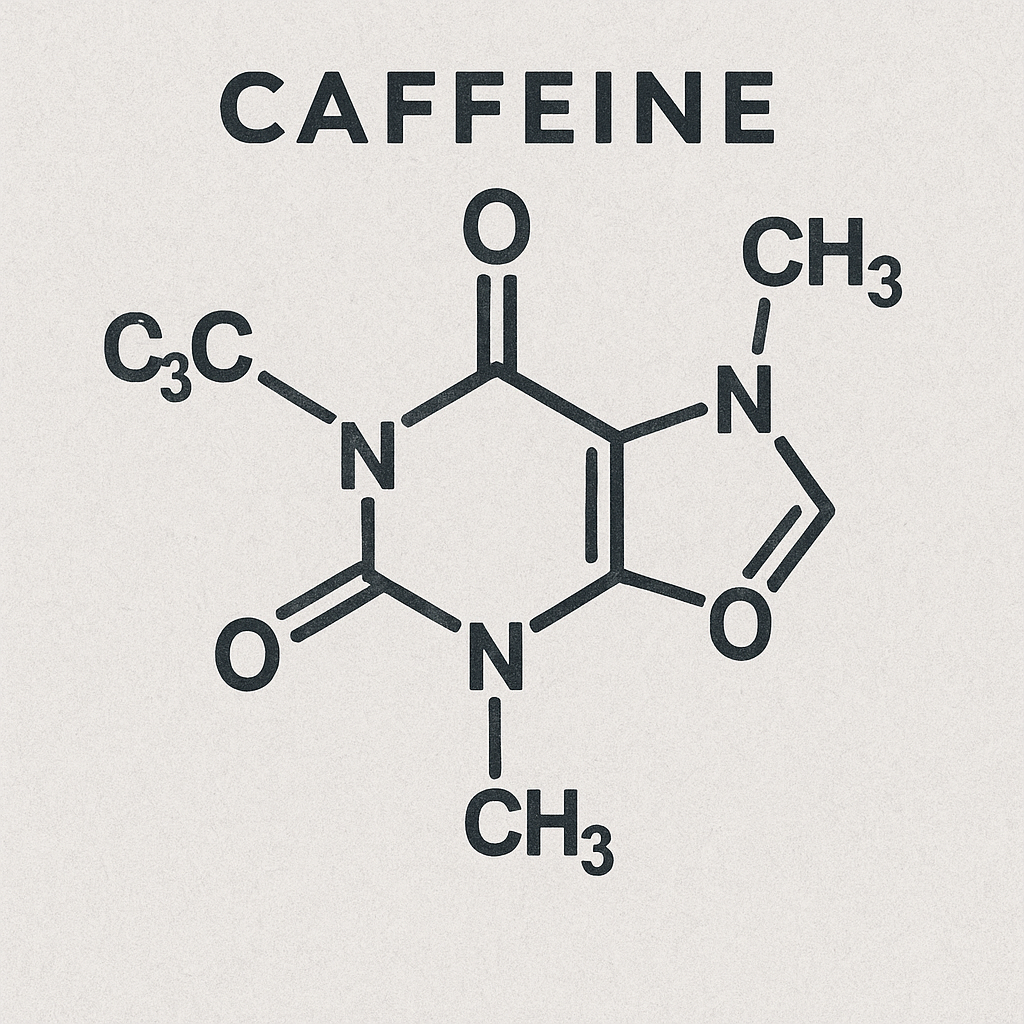
Caffeine has been widely researched as a neurostimulant, but in the past two decades, dermatology journals have repeatedly highlighted its role as a hair growth-promoting compound. Researchers at the University of Jena in Germany described caffeine as a substance that “counteracts testosterone-induced hair follicle suppression and stimulates follicle activity even in cultured human hair roots.” This discovery shifted caffeine from a beverage ingredient to a recognized cosmeceutical active.
1. Follicular Mechanisms of Caffeine
-
Counteracting DHT: Studies show caffeine blocks the negative impact of dihydrotestosterone (DHT) on follicles. This is critical in male and female pattern hair loss.
-
Stimulating Dermal Papilla Cells: One in vitro trial observed caffeine increasing the proliferation of dermal papilla cells by nearly 40% compared to untreated samples.
-
Prolonging Growth Phase: Another study in the British Journal of Dermatology reported that caffeine lengthened the anagen (growth) phase of hair follicles when applied topically.
Case Example: In a trial with 300 volunteers, caffeine-containing shampoos used daily over six months demonstrated visible reductions in shedding, especially in patients with early androgenetic alopecia.
2. Caffeine and Microcirculation
Reduced scalp blood flow is a hallmark of stress-related and hormonal hair loss. Caffeine acts as a vasodilator, opening microcapillaries in the scalp.
-
A trichology review in 2020 emphasized that “topical caffeine enhances follicular nutrient delivery within hours of application.”
-
This explains why caffeine shampoos left on the scalp for 2–3 minutes allow active penetration.
3. Additional Biochemical Benefits
-
Antioxidant Action: Caffeine neutralizes reactive oxygen species that accelerate follicle aging.
-
Sebum Balance: Some reports note that caffeine helps normalize sebaceous gland overproduction, reducing greasy scalp conditions linked to thinning.
-
Scalp Sensory Stimulation: Patients often report a “fresh” feeling, correlating with improved circulation.
4. Integration in Modern Formulations
Haengwoon Shampoo Black exemplifies how caffeine is combined with biotin (to reinforce keratin) and Lucky Bamboo extract (for antioxidant scalp soothing). By merging these elements, the product creates both a scientific and sensory experience.
5. Real-World Case Stories
-
Office Professional: A 38-year-old woman experiencing postpartum shedding tried caffeine shampoo twice a week. By the 10th week, shedding decreased by nearly 25%.
-
Male Genetic Thinning: A 29-year-old man with a family history of alopecia noted thicker hair texture and less shedding after 4 months of daily caffeine shampoo use.
Caffeine is no longer a “cosmetic trend.” Supported by peer-reviewed studies and clinical trials, it has become a proven ally in combating hair thinning. When integrated into advanced formulas, caffeine delivers measurable benefits: slower shedding, stronger follicles, and improved scalp vitality.